

















Improvising
as an EVENT PLANNER
may not be so easy if you don’t know the basic steps that are needed to complete your project.
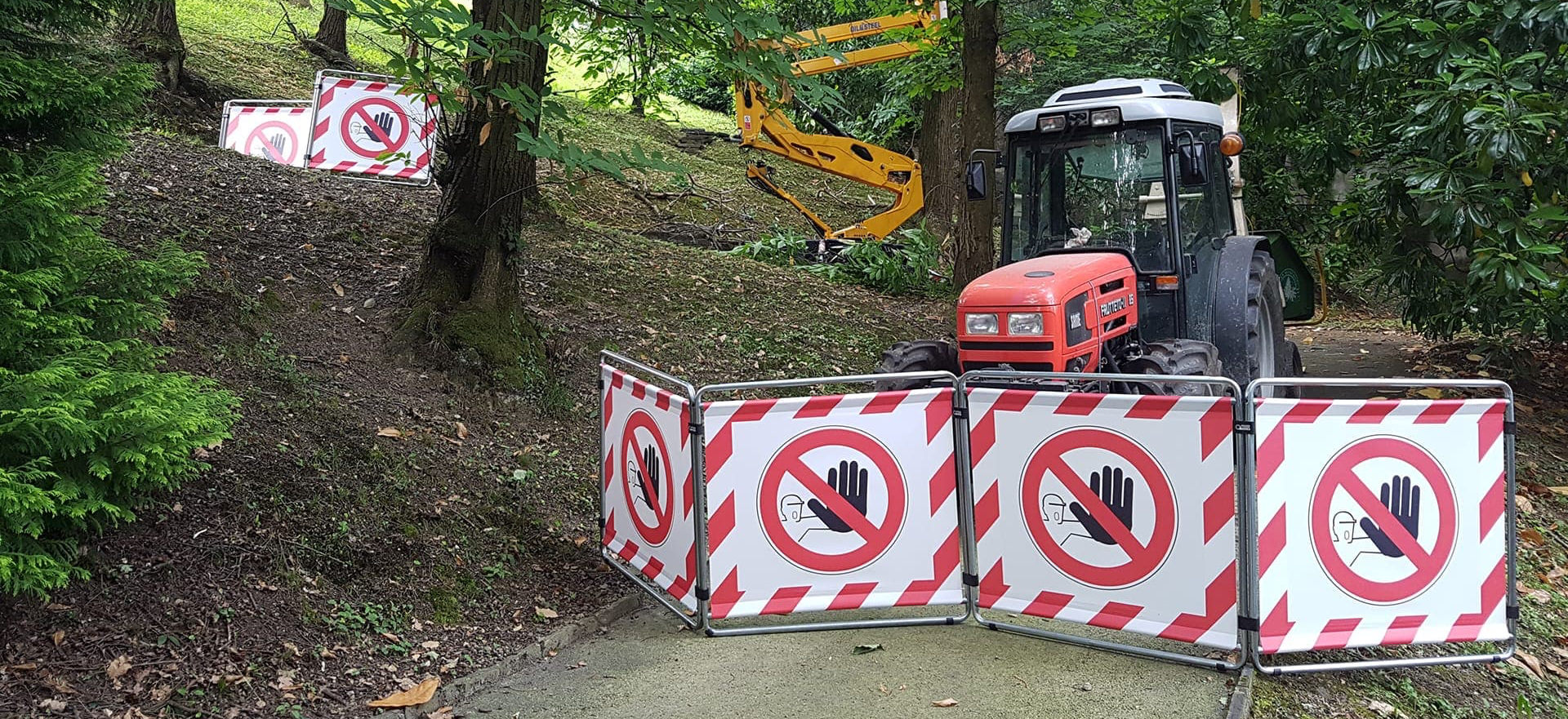
Transenne.net over the years has accumulated a know-how that has allowed him to support the final stages of the preparation of an event (which are, after all, the most agitated moments in terms of stress and the most delicate in terms of implementation), but without a doubt they remain the most fascinating and stimulating phases from an organizational point of view, because everything finally takes shape.
But what are the steps to follow to organize a successful event, from the embryonic phase to the final realization phase?
Planning an event is a phase that must be studied and pondered by a set of competent and qualified people, who want to create an unforgettable experience from scratch for those who will have the honor of participating in it.
So let’s start right from the beginning and, without sinning of pride and without going into details that perhaps are not even our responsibility, let’s see if we can help you in some way by trying to give you small tips and reminders on what there might be to do.
What is an event?
Events are public or private events that can have a celebratory, cultural, sporting, recreational character that take place for a specific purpose.
Usually this purpose is to make you live a useful and unforgettable experience. But the social aspect should not be underestimated, the income for the local economy and the organizer. To be like this, an event must be studied in detail and must be followed step by step by competent people in the sector.
Thinking of organizing events alone is almost impossible because you would have to take too many responsibilities and the risk would be really too high.
So how do you organize an event?
The objectives must be clear and precise from the outset. It is therefore necessary to define why that sporting or cultural event must be held, why to do it on a certain date and not another, why choose that location rather than another and so on…
You have to analyze which people are in target for that event and how to make them aware of what is about to be organized for them.
Having a deep knowledge of the topic leads to knowing who will participate in it.
Why is the location really important?
You cannot choose the location at random thinking that one place may be worth another and that therefore it can be suitable for any type of event.
Each type of event needs a specific location that is defined according to the nature of the event (Holiday, Cultural, Sports, Religious Event, etc.), the number of participants expected, etc.
Choosing correctly where the event will take place is essential to have a better chance of presenting the project to the authorities, to have the go-ahead and to think about the set-up and services to be included.
But how much does it cost to organize an event?
The organization, first of all, will have to take care of defining a specific budget (perhaps creating a business plan) and include everything that is needed within it, defining the cost and revenue areas.
Many factors must be taken into account (in addition to those that could represent the normal bureaucratic and logistical administration of the event), such as customer services:
Will there be VIP guests? – They will have a cost!
Do we have to provide a catering area since the event lasts many hours/days? It will have a cost!
Will it be necessary to provide for the use of particular specific technologies to entertain the public? They will have a cost!
Will there be free shuttle buses connecting from one point to another? They will have a cost!
So how can I cover all these costs?
Beyond the (obvious) sources of income represented by the sale of tickets or services, organizing an event also means having and finding SPONSORS. Sponsors who can advertise their messages related to the event or who use the spaces proposed by the organizer for their marketing activities.
It is therefore a matter of finding a way to make the soul of the event coexist with an SME or a brand that espouses its ideal or spirit itself or that wants to invest in the event even just to convey its message.
It is therefore up to the organizer, first of all, to understand if the project can have all the credentials to be able to move on to the preparation and implementation phase.
So the costs can be high?
The organization of events is one of the items that weighs most heavily on the annual budget allocated under the heading of marketing and communication, both for large brands and SMEs: this is because a “live” event involves a great effort of both internal and external resources, as well as a series of living and concrete costs – such as location, catering, materials and entertainment – which have considerable economic weight.
Therefore, the organization of events is a very complex activity, made up in turn of many different sub-activities.
The main skills that you need to have or in any case know how to develop to be a good organizer are certainly based on the realization of ideas and logistics in general, but you also need to be “commercial” in the way you think and see the future of the event itself, to transform it, evolve it and make it dynamic.
Last tip
One of the most concrete ways in recent years to better organize events is to use experiential marketing, because it is precisely the creation of experiences that is one of the most effective ways to create loyalty and brand image, making the customer the protagonist.
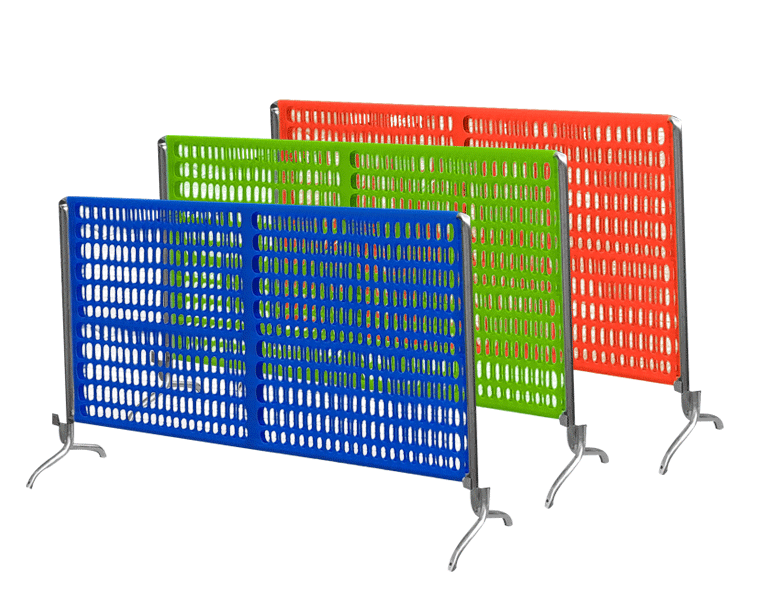
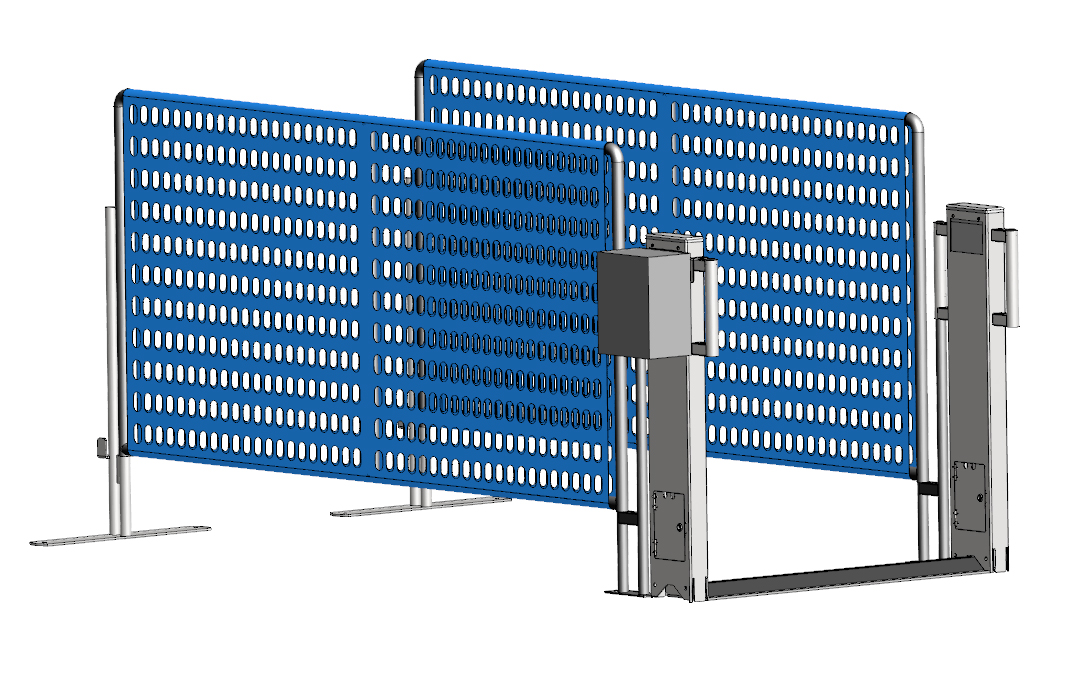
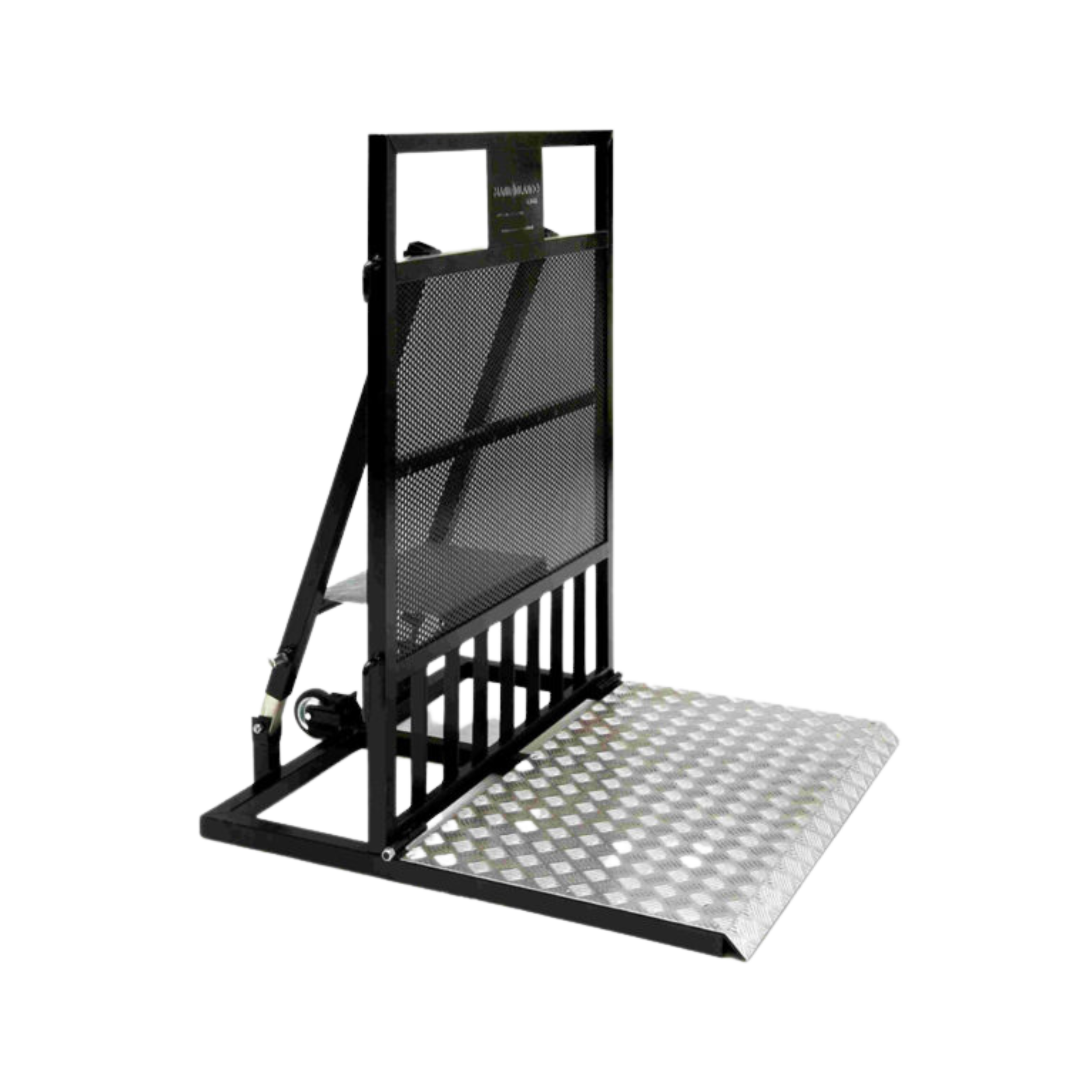
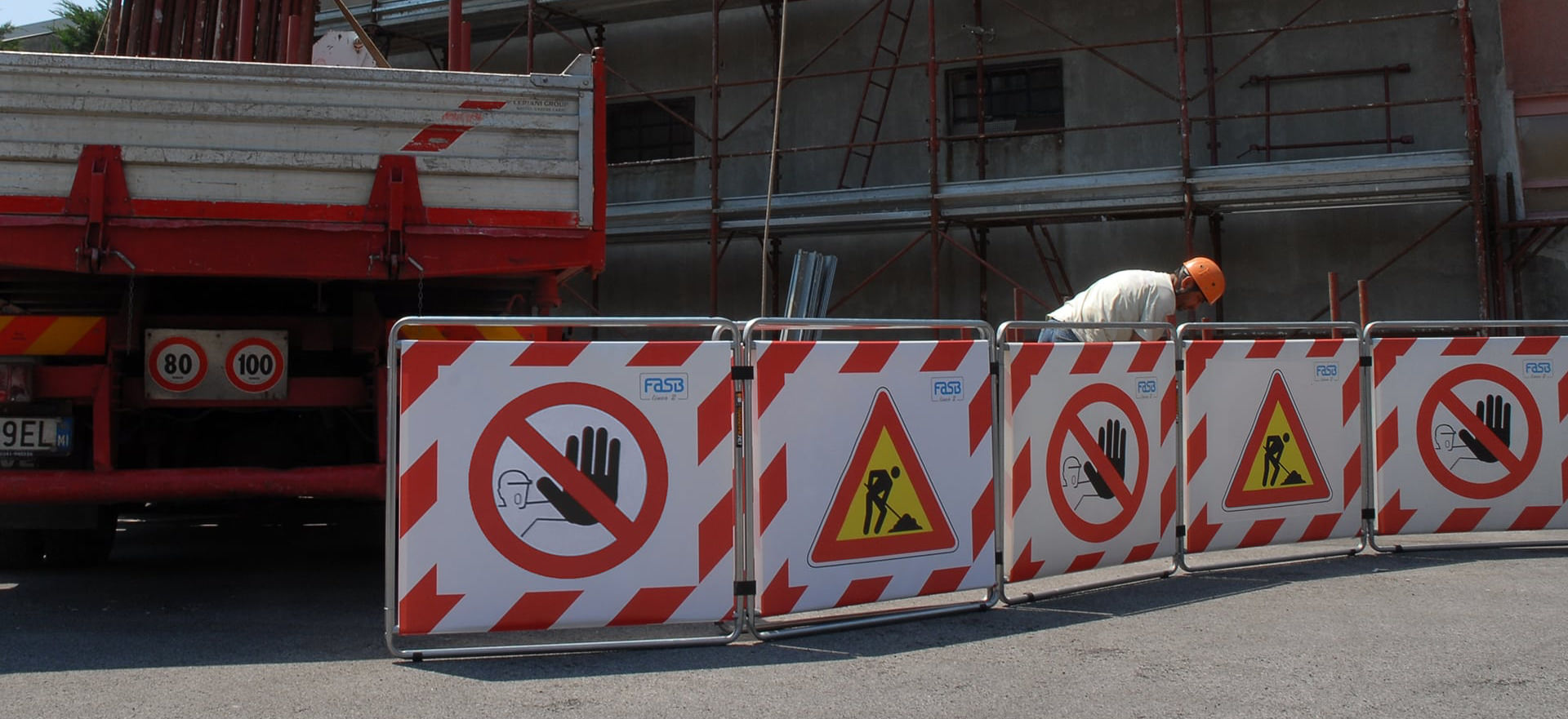
Transenne.net is able to help the organizer in the implementation phase of the project, but also to help him in the design of the possible set-ups of the areas and the location also in the project presentation phase to the authorities, including his products in the project (CAD plan) and his experience in managing certain situations.


